





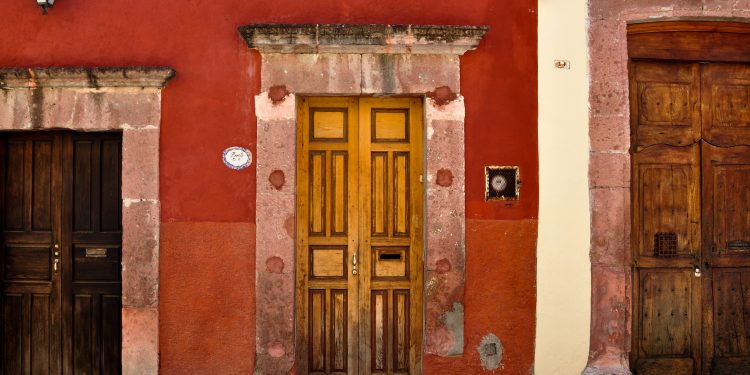
A large proportion of foreigners purchasing property in Mexico choose to make their investment at one of Mexico’s many fine beach locations: with over six thousand miles of sea-facing land, there is ample diversity for those who want to live near the water. However, there exists another option when you’re searching for a property foothold in Mexico: a collection of beautifully-preserved colonial towns and cities.
Most (but not all) of Mexico’s colonial cities are situated at elevations of at least 5,000 feet above sea level and if the place you choose is situated in these high lands you can expect cooler and more temperate climates year-round than you’ll experience in colonial cities which are situated at lower elevation or nearer to the coasts where temperatures soar, particularly during the late spring and through the summer months.
During late fall and throughout the winter, early mornings, evenings, and nights are cooler in colonial cities—even chilly in some higher places that may also require the warmth of a fireplace or other heating system. The spring and fall climates are close to ideal in most of Mexico’s highland colonial cities, featuring a temperate ambiance with occasional rainfalls between otherwise undisturbed sunlight, shining across crisp and deep azure-blue skies.
The late spring and summer months in Mexico’s highland colonial cities are warm and can get quite hot. Most regions experience seasonal rains between June and October each year; these often take the form of torrential afternoon or evening downpours which cool the high summer temperatures and make the local flora radiate with color and fragrance.
Which colonial cities are people moving to? The two big ‘expat enclaves’ of San Miguel de Allende and Ajijic/Chapala have been popular with foreign residents for decades, and their lure and appeal is still attractive to many who visit and call these places their home, full or part-time.
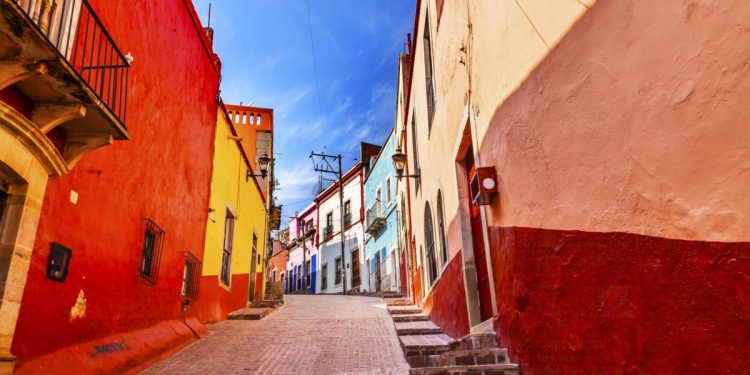
Foreigners researching places to live in Mexico will usually come across popular colonial locations like San Miguel de Allende, Ajijic, and Cuernavaca. Other places that are less well-known but which have have been rising in popularity in recent years include: Mérida, Puebla, Guanajuato, Querétaro, and Oaxaca. For places somewhat off-the-beaten-path, you might also consider researching San Cristobal de las Casas, and Morelia (with nearby Pátzcuaro). If you’re seeking a colonial setting near the coast consider Mazatlán, Manzanillo, and Campeche.
With the exception of the most popular colonial towns, Mexico’s colonial settings offer (generally speaking) lower property purchase and rental prices than equivalent land and homes situated at popular Mexican beach-side towns and resorts. However, house prices in colonial cities have risen substantially in recent years and property prices across Mexico are no longer the bargain they once were. It’s also worth keeping in mind that lesser-known colonial locations don’t tend to generate the same level of property sales turnover as the most popular locations do, so if you buy land or property away from a fashionable area, it might take longer to sell. You can learn all about property purchase and ownership in Mexico here on Mexperience.
We recommend above all else that you take time to step back and consider your lifestyle needs and short-list locations in Mexico that serve those needs.
If you’re looking for a long-term investment and a foothold in Mexico that will provide you with a stable home, a good climate, decent access by road (some cities also have airports not far away); a lower cost of living than the US, Canada and Europe; and a place where you can be surrounded by culture and heritage, do some research here on Mexperience to learn about Mexico’s colonial cities and then go and experience a few of them in person. You may be pleasantly surprised.
Mexico in your inbox
Our free newsletter about Mexico brings you a monthly round-up of recently published stories and opportunities, as well as gems from our archives.


Las Margaritas Chiapas is where I prefer to live in Mexico. I have also lived on the beach in Puerto Madero Chiapas. Chiapas is a wonderful state to explore. You have beaches, jungle, mountains, ruins everything here. It is very economical. And if you choose to reside here you can just cross into Guatemala to renew your FMM every 6 months.
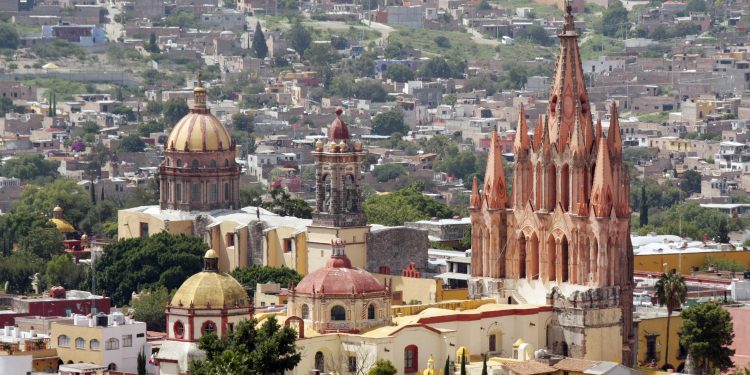
You left out San Miguel de Allende. It is a great place with many expat activities. Of course the prices are generally higher here because it is so popular. You can live in mixed neighborhoods which I prefer. Or gate your self in expat neighborhoods which I don’t like, but to each his own. Another benefit for expats who have a hard time with Spanish is the fact that you can live here with a little Spanish as most Mexicans in the service areas speak English. Sometimes I try my Spanish in a restaurant and they answer in English. They want to improve there English.
“Which colonial cities are people moving to? ‘Expat enclaves’ including San Miguel de Allende and Ajijic/Chapala have been popular with foreign expats for decades, and their lure and appeal is still attractive to many who visit and make of these places their home, full or part-time.”
San Miguel has become horribly crowded with tourists every weekend, not just in the high season. Getting more polluted too. Traffic is often bumper to bumper and prices are rising all the time. I live in a Mexican neighborhood but have to walk through centro to get anywhere. I’m moving!
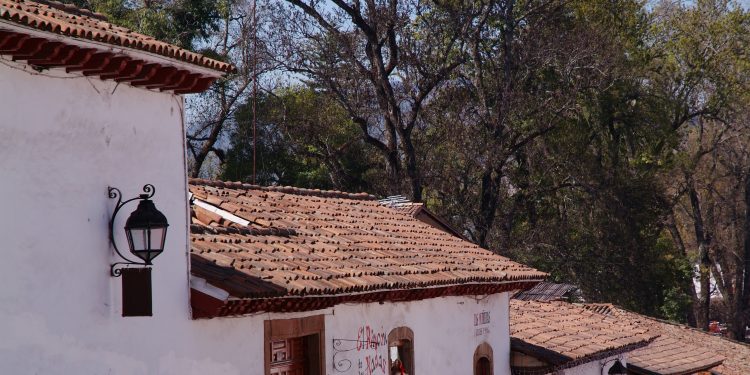
I just recently moved to Patzcuaro, Michoacán and highly recommend this town or if you prefer a larger city, the capital of the state of Michoacán, Morelia, is nearby less than an hour east of Patzcuaro. Sadly many people have been scared away by the bad press with its focus on the drug cartels. I think the majority of expats would say that they feel very safe here while enjoying wonderful moderate weather, a lot of varied cultural activities, reasonable prices on most things, gorgeous countryside, good doctors and decent roads and plenty of public transportation so you don’t even need to own a car!
Thank god we have somebody who offers other choices than condo by the beach at retirement. How pathetic and boring is that. I want to live amoung Mexicans not Mr and Mrs Smith from Hamilton ! and build a relations with my neighbours and not showing off my great wealth to the kids who have barely enough to buy their food? Where can find a list of those colonial small cities / to strat exploring ?
Enjoyed this article. .Informative etc.. I am interested in a colonial/ fixer/ upper in the Mazatlan area.
Planning to retire there.
Thank you for the great Blog!
Rev. Juine