





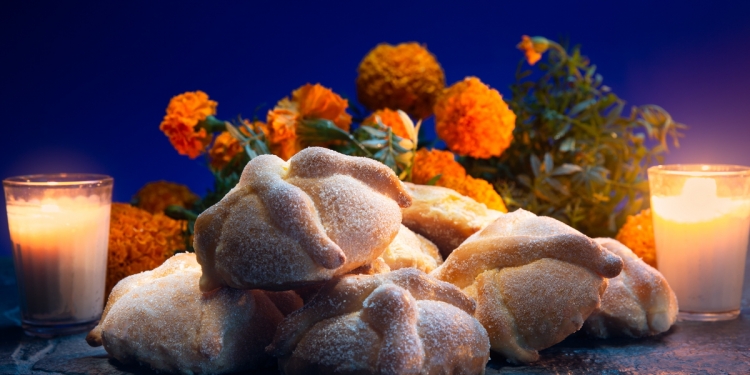
The first and second days of November mark one of the most important cultural and religious events on Mexico’s annual calendar: Day of the Dead, a festival that emphasizes remembrance of past lives and celebration of the continuity of life. Traditionally, November 1st honors deceased children and November 2nd honors deceased adults.
La Ofrenda: the altar of offering
A centerpiece of the traditions that surround the occasion is the creation and open placement of an ofrenda —an altar of offering— that usually manifests as an altar in family homes, although some ofrendas are also arranged at local cemeteries, and in public spaces including parks and plazas.
These altars are an art form and personal expression of love towards one’s family members now passed; they are not intended for worshiping but instead for the purpose of remembrance and celebration of life.
The three tiers of an ofrenda
Traditionally, altars featuring ofrendas will be composed of three layers:
- the top tier contains photographs of the remembered deceased as well as religious statues or symbols, especially that of La Virgen Guadalupe;
- the second tier will contain the ofrendas: toys are usually offered for deceased children, and bottles of tequila, mezcal, or atole for deceased adults. Personal ornaments, and/or the deceased’s favorite food or confection will also be present here, as will Pan de Muerto;
- the third tier will feature lit candles, and some people add a washbasin and a towel so that the spirits of the deceased may refresh themselves upon arrival at the altar.
The second tier of the altar is the most personal, furnished with a thoughtful selection of ofrendas for the remembered deceased. Special care is given to the composition of this layer by those creating the ofrendas, giving due consideration to the important things their loved ones most enjoyed during the course of their lifetime.
In remembrance of deceased children, toy and game sets, cuddly toys, as well as candy and snacks they enjoyed may be placed here. For adults, it’s traditional to leave samples of the food and drink they especially enjoyed (or the ingredients which make them).
Small clay pots containing samples of foods like corn, spices, chiles, and confectionery are common; as are clay cups or mugs containing the deceased’s favorite beverages—which could include sodas, chocolate, coffee, tea, atole; as well as tequila, pulque, or mezcal, etc.
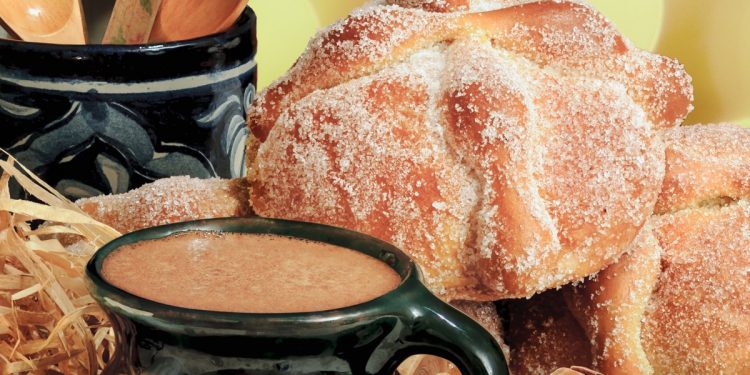
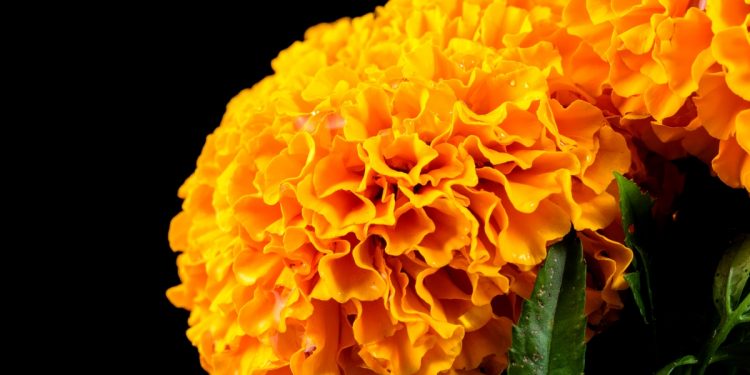
Every altar will include Mexican orange marigold flowers called cempaxochitl —colloquially referred to as flor de muerto— as well as Pan de Muerto, bread of the dead.
Making arrangements for the ofrenda
In the two weeks or so leading-up to Day of the Dead, local markets across Mexico begin to fill-up with colorful stalls selling all the items traditionally needed to fully dress a family ofrenda.
Local markets are indispensable
If you’re visiting Mexico in the days leading up the event, be sure to visit at least one local market to experience the atmosphere and witness the traditions which accompany the creation of family altars, and where you’ll see local people busily seeking out the indispensable pieces they need to compose their own unique and very personal ofrenda: a symbol of remembrance and a celebration of lives lived.
Drapes and adornments
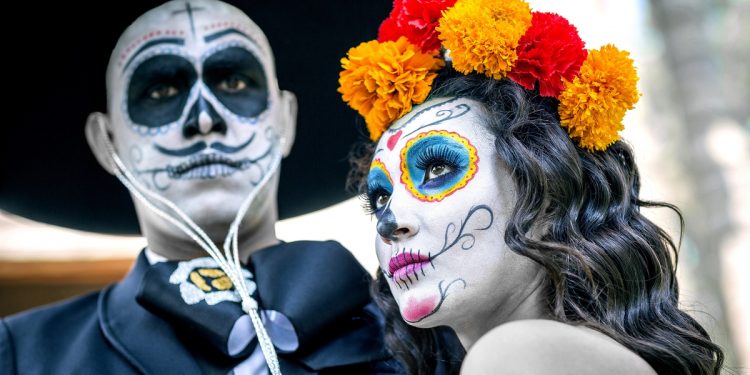
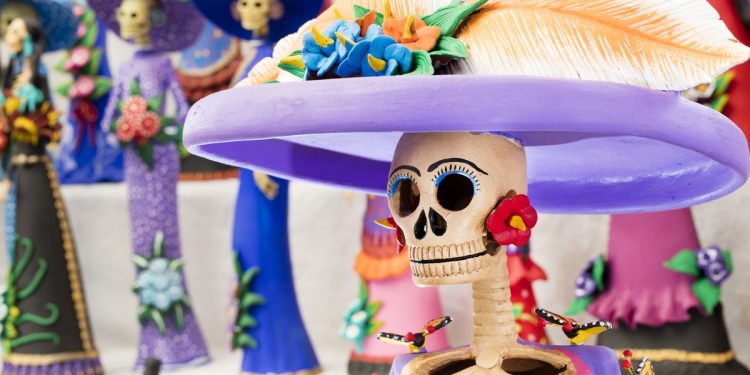
The altar tables are usually draped and adorned with colorful paper or cloth, some with cut-outs known as papel picado and formed into a variety of patterns which echo the traditions —Catrinas, skulls, crosses, and flowers are most common— and some even depict pumpkins.
Something sweet
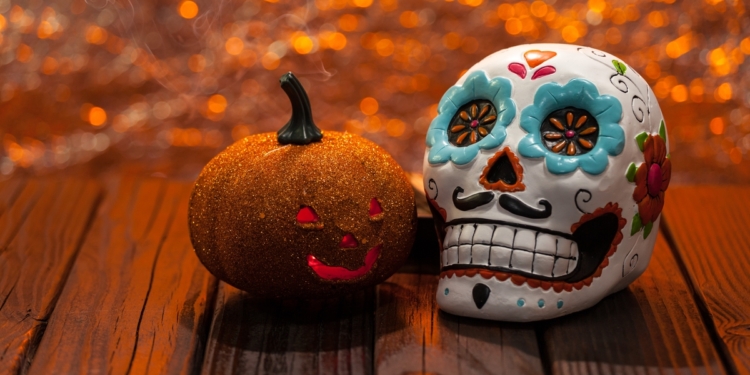
Most altars will include some form of confectionery, typically caramelized pumpkin and an assortment of sugar skulls which are creatively decorated and painted and sold in a range of different sizes.
The importance of candlelight
Candlelight is an important atmospheric aspect of each ofrenda, and the markets are replete with options, often presented in colorful pots and jars, or with edges of the wax candle painted and decorated in harmony with Day of the Dead themes. Incense burners may also be found on some ofrendas, alongside the candles.
Where to find ofrendas in Mexico
The ofrendas can be seen at local cemeteries, and in public parks and plazas. In some provincial towns and villages, local families traditionally open their homes’ altars on the 1st and 2nd of November—so a visit to a local cemetery and a wander around local neighborhoods may provide you with an opportunity to share and experience Day of the Dead traditions at a very local and personal level.
You can learn more about the traditions of Day of the Dead, including the altars and Catrinas on our article about Celebrating Life on Day of the Dead in Mexico
Learn more about Day of the Dead in Mexico
We publish guides and articles to help you discover more about Day of the Dead in Mexico, as well as Pátzcuro and Oaxaca City.
- Articles to discover Day of the Dead in Mexico
- How to plan ahead for Day of the Dead
- Celebrating life on Day of the Dead
- Meet the elegant Catrinas
- Delicious bread and hot chocolate traditions
- The iconic flower synonymous with Day of the Dead
- Children’s Calaverita traditions
- Guides to Pátzcuaro and Oaxaca City
Experience Day of the Dead with Mexperience
We work with long-established experts who know Mexico intimately and will arrange an inspiring travel experience for you. Contact us and we’ll help you to create a memorable visit: Plan Your Mexico Trip
Mexico in your inbox
Our free newsletter about Mexico brings you a monthly round-up of recently published stories and opportunities, as well as gems from our archives.
Thank you for publishing the newsletter. It’s great to learn more about my Mexican culture as my parents have passed and I’m 3rd generation Mexican American. I grew up basically versed in American customs & traditions.
Thank you for the newsletter
it helps to prepare for my new life in Mexico in two years and counting.
So many good articles..
Taryn
great article. very helpful
thank you so much for your newsletter, I is an honor to me to read your articles. I hope you all have a great Dia de Muertos y sus fiestas y actividades sean siempre para recordar a los que no tenemos la fortuna de vivir en nuestros paise de origen por lo menos disfrutar por este medio con fotografias y articules especiales como los que ustedes nos hacen el favor de mandarnos.
Muchas gracias!!